

Dental Implants – The Best Way to Replace Missing Teeth
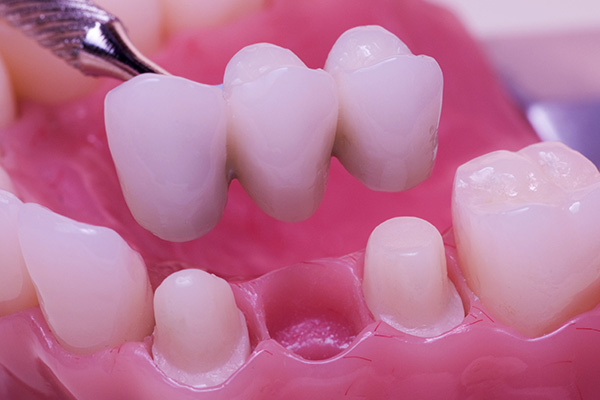
If you’ve lost a tooth due to injury, decay, or age, you may wonder what the best way is to replace it. While there are many options, dental implants are considered the most natural and long-lasting solution.
Let’s understand why dental implants are trusted worldwide — and how they can help you smile confidently again.
What Is a Dental Implant?
A dental implant is a small metal post (usually titanium) that is placed into your jawbone. It works like a tooth root. After healing, a crown (an artificial tooth) is placed on top.
Together, the implant and crown look, feel, and work like a real tooth.
Why Dental Implants Are Better Than Other Options- No movement – Unlike dentures, implants stay fixed in place
- Long-lasting – Can last 20+ years with proper care
- Strong bite – Eat all your favorite foods
- Protects jawbone – Keeps the bone healthy and prevents facial sagging
- No harm to nearby teeth – Unlike bridges, implants don’t rely on other teeth for support
- You may be a good candidate if you:
- Have one or more missing teeth
- Have healthy gums
- Have enough jawbone (or can get a bone graft if needed)
- Do not smoke or are willing to quit during healing
- A dentist will check your overall health and bone strength before starting.
Step-by-Step: How the Implant Process Works
- Consultation & X-rays: To check bone and plan the procedure
- Implant Placement: A small post is placed in the jawbone
- Healing Time: 3 to 6 months for bone to fuse with the implant
- Crown Placement: A natural-looking tooth is fixed on top
- Final Check: Bite, shape, and comfort are tested
It may take a few months, but the results are permanent and worth the wait.
How to Take Care of Dental Implants
- Brush and floss daily, just like natural teeth
- Avoid chewing hard objects (like ice or pens)
- Go for regular dental checkups
- Avoid smoking and sugary foods
- Use a soft toothbrush and non-abrasive toothpaste
With proper care, implants can last a lifetime.
Common Questions About Dental Implants
Q: Is the procedure painful?
A: It’s done under local anesthesia, so there’s little to no pain. Some discomfort after surgery is normal and goes away in a few days.
Q: How long does it take?
A: Usually 3 to 6 months for the full process, including healing and crown placement.
Q: Are implants expensive?
A: Implants cost more than bridges or dentures, but they last longer and don’t need frequent replacements — saving money in the long run.
Final Thoughts
Dental implants are the closest thing to real teeth. They are strong, stable, and help protect your smile and jawbone for years. If you're looking for a permanent solution to tooth loss, implants are the gold standard.


